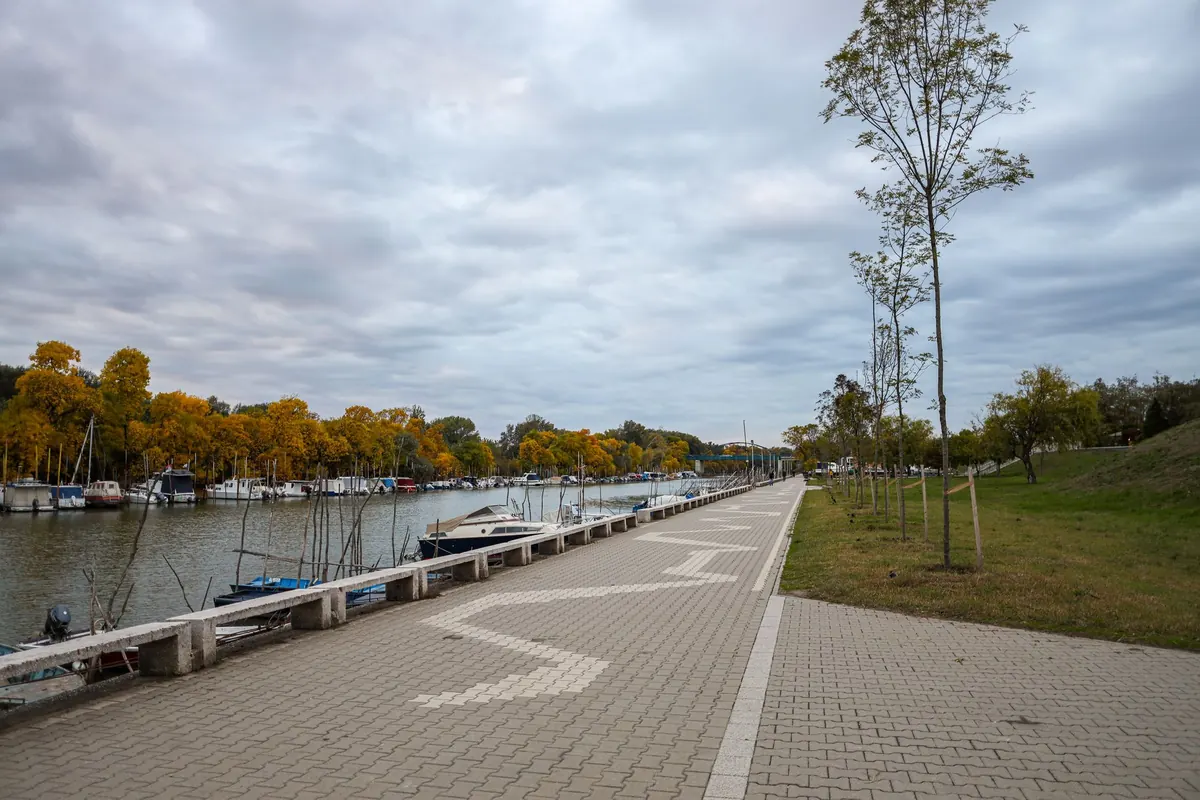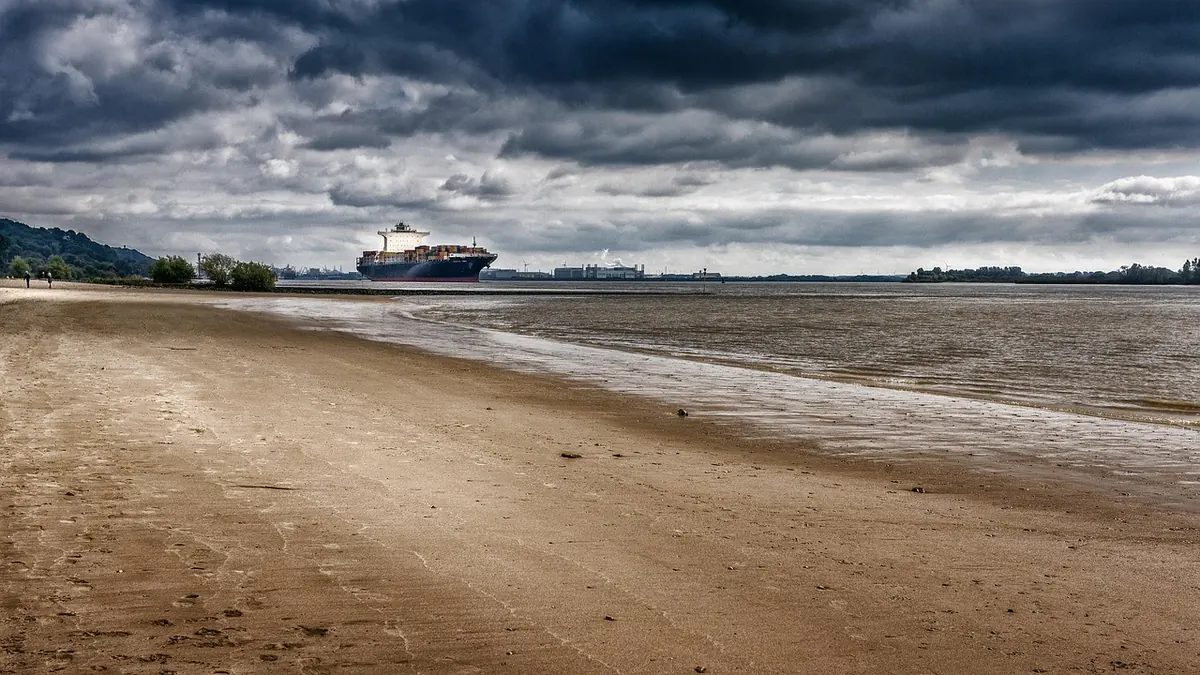
A harbor entrance can look calm from the breakwater and still push a boat sideways when the tide is running hard against a fresh wind. The same combination that makes an entrance uncomfortable can turn a simple docking into a scramble. Tide and wind are always working together, even when they do not agree.
The two forces at the harbor mouth
The tide gives water a direction and a speed. On a flood, the tidal stream usually sets into an estuary or harbor; on an ebb, it runs out. At an entrance, that stream is often squeezed between breakwaters, shoals, or a bar, so it speeds up. A channel that looks wide from seaward may have a narrow core of current running through it.
Wind works on the surface. It pushes the top layer of water, raises short waves, and leans on the boat itself. A strong wind can make the surface drift faster than the tide alone, or slow it down when the two oppose each other. Local topography matters too: a headland can bend the wind, and a breakwater can create an eddy that runs against the main tidal stream.
When wind and tide pull together
When the wind blows in the same direction as the tidal stream, the two reinforce each other. On an ebb, an offshore wind helps the water leave the harbor and can make the outward set stronger. On a flood, an onshore wind pushes water into the entrance and can add a little height at the docks, especially during a long spell of strong wind.
This is often the more comfortable combination, but comfortable is not the same as harmless. The sea may be more organized, yet the current can be faster than the tide table suggests. A boat approaching from seaward may be set toward one side of the channel earlier than expected. Leaving a berth can feel easy because wind and current both push you off, but stopping or turning back can be harder.
At the dock, wind and tide together can affect lines and fenders. If the wind is holding the boat against the pontoon while the tide is rising, the fenders take a steady load and the mooring lines need attention as the boat rises. If the wind is pushing the boat off and the tide is also pulling away, the lines may snub sharply. Check the lines after the tide has turned, not only when you first tie up.
When wind and tide cancel each other
The opposite combination is the one that catches people out. Wind against tide does not cancel the water’s movement neatly; it creates conflict at the surface. The wind pushes one way, the tidal stream pushes another, and the result is often a short, steep chop. That is especially true where the current is strongest and the water is shallow, such as over a bar or inside a narrow entrance.
Imagine a harbor that opens to the southwest. An ebb is running out while a fresh southwesterly blows in. The tide wants to carry the boat seaward; the wind wants to push it back toward the entrance. The waves become steep and close together, and a boat making slow progress may be set sideways despite what the heading suggests. The same harbor with a flood and an offshore wind can produce a similar messy sea, just with the current running the other way.
At the dock, the effect can be subtle. The tide may push the bow one way while the wind pushes the hull the other. A boat with high windage, such as a light motorboat or a yacht with a large cockpit tent, may behave as if the wind is the only force until the bow enters the current. Then the current takes over. Berthing plans that ignore that change can end with a missed turn or a rushed line.
Why harbor entrances and docks respond differently
Entrances concentrate current. Docks concentrate consequences. The two places need to be read separately, even when they are only a few hundred meters apart.
At the entrance
The entrance is where the tide is often fastest and the channel narrowest. A wind that is merely brisk outside may feel stronger in the gap between breakwaters. Wind against tide can build a line of chop right where you need to steer. Wind with tide can set you through the entrance faster than you planned, leaving less time to line up for a berth or a bridge.
Watch the leading marks, buoys, and the angle of the boat to the channel. If the boat is crabbing sideways, the current is stronger than the wind or the wind is stronger than the current, and you need to correct before the next mark. Do not aim at the harbor wall and hope; aim at the water you want to travel over.
At the dock
Inside a marina, the tide may be weaker, but it still moves through fairways and around pilings. It can set a boat sideways as it enters a berth, and it can push the stern around while the bow is already made fast. Wind matters more here because a slow-moving boat has little steerage and a lot of windage. A crosswind at the dock can be more demanding than a rough entrance outside.
Tide height also changes the dock itself. Lines need slack for a rising tide and attention for a falling one. A fender that sits perfectly at high water may disappear below the pontoon at low water. A gangway that is easy at one state of tide can become steep or unusable at another.
Reading the signs before you approach
Start with the tide table and the wind forecast, but do not stop there. Compare the forecast wind direction with the orientation of the harbor entrance. Ask whether the wind will be blowing into the entrance, out of it, or across it. Then ask where the tide will be in its cycle. Slack water is often the most forgiving time for an unfamiliar entrance or a tight berth, but slack is not always at the same time as high or low water in every channel.
On the water, look for current lines, ripples, and the way moored boats lie. Flags and wind indicators tell you what the wind is doing now, not what it will do in an hour. Local notices and harbor office advice are worth more than guesswork, especially around bars, dredging, or seasonal moorings.
- Check the tide phase. Know whether you are approaching on the flood, the ebb, or near slack, and whether the stream will be running into or out of the harbor.
- Compare wind direction with channel direction. A wind that is with the tide will speed the set; a wind against the tide will steepen the sea.
- Plan for the dock as well as the entrance. Decide which side the wind will push you toward and which way the current will set the bow.
- Have lines and fenders ready early. A spring line can stop a boat from being pushed along the pontoon; a fender placed after the boat is moving is often too late.
- Keep a way out. If the entrance looks worse than expected, hold off, wait for slack, or choose another berth rather than forcing the approach.
- Recheck after the tide turns. The current at the dock can change direction while you are still settling in.
What to do with this on your next approach
Before you commit to the entrance, decide in plain terms whether wind and tide are working together or against each other. If they are together, expect a faster set and allow more room to slow down. If they are opposed, expect a steeper sea, reduce speed early, and keep the boat under control rather than pressing on. At the dock, use the wind for the final nudge if you can, and use the current to help the bow come around only when you are sure which way it is running.
The useful habit is simple: look at the water, the flags, and the tide together, then ask what the boat will do in the next thirty seconds. That question does more for a calm arrival than any single forecast.
Photo: LoboStudioHamburg / Pixabay